Fitness & Nutrition Insights
Science-backed guides, coaching perspectives, and practical strategies from the QBod team and our advisor network.
Latest
55 articles
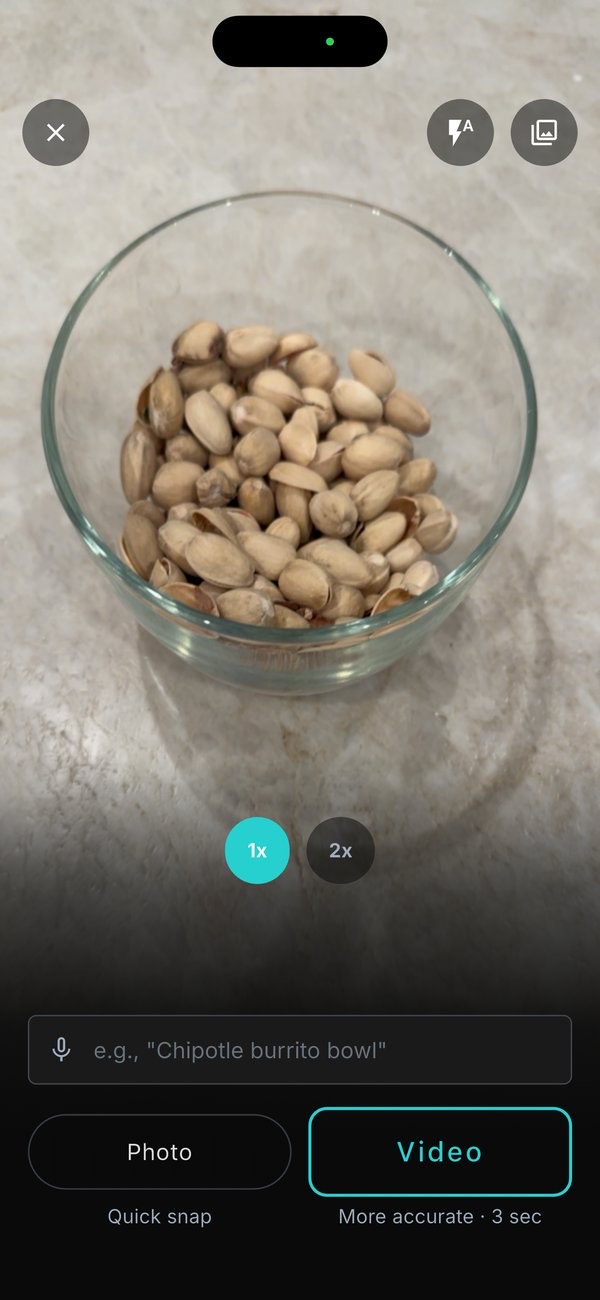
Protein During Fat Loss: How to Keep More Muscle
A simple guide to what current evidence says about protein, muscle, and smart fat loss.

Sleep and Fitness Results: Recovery, Muscle, and Fat Loss
Better sleep is not a bonus habit. It is part of the training plan.

Q-Score: One Daily Number for Better Fitness Habits
A simple daily score can turn scattered health data into clear next steps.
Nutrition · 18

Protein During Fat Loss: How to Keep More Muscle
A simple guide to what current evidence says about protein, muscle, and smart fat loss.
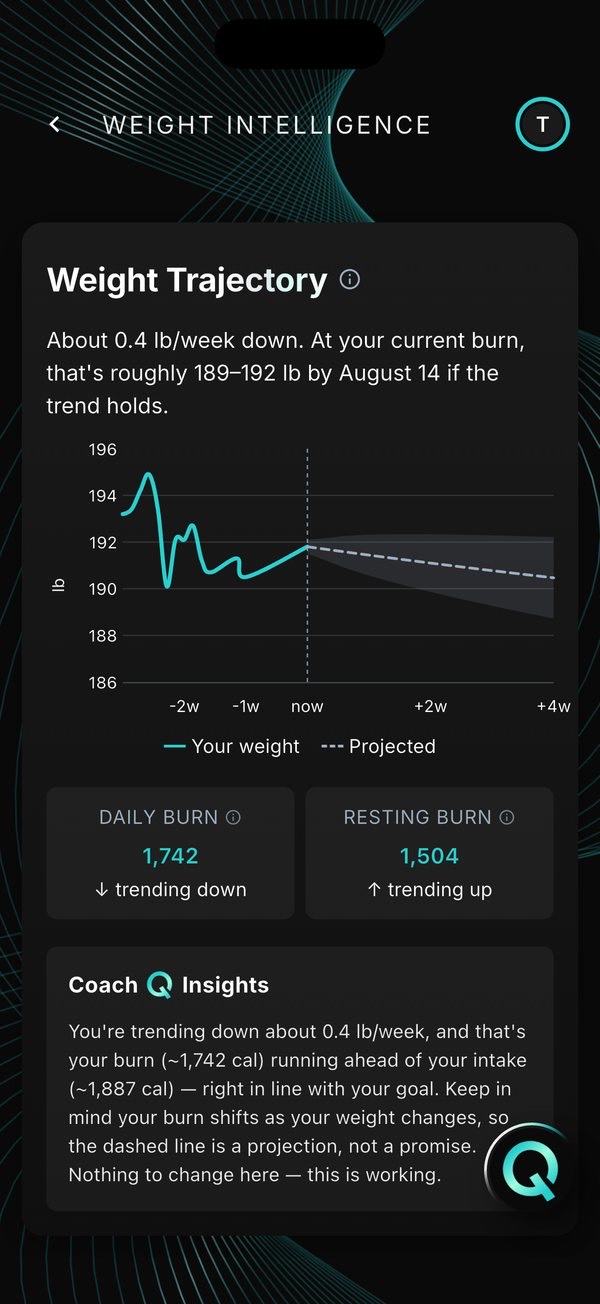
How to Set a Sensible Calorie Floor Without Guessing
A calorie floor should come from your body, your habits, and your feedback, not a random low number.
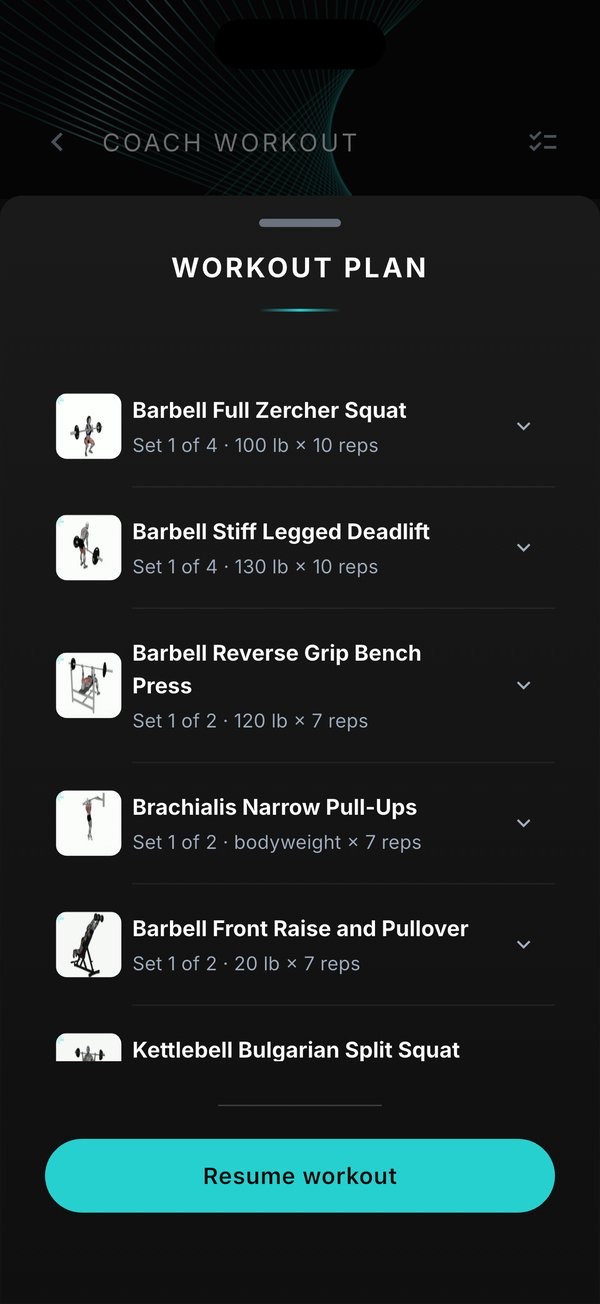
Why Macro Targets Should Change With Your Training
Training is not static, so protein, carbs, and fats should move with the work being done.

Cronometer Alternative That Coaches Food and Training
Food data matters, but progress gets easier when nutrition, training, recovery, and weight trends work together.

How to Log Restaurant Meals Without Losing Macros
A simple coach-led guide to tracking meals out without turning dinner into math class.
Best Calorie Tracker for Real Meals, Not Barcodes
A practical guide to tracking homemade meals, restaurant food, and daily patterns without turning eating into data entry.
How Much Protein to Build Muscle: Simple Guide
A practical guide to protein targets, meal timing, food quality, and smart adjustments for muscle growth.
Cal AI Alternative: Why Photo Food Logging Is Step One
Photo food logging can make tracking easier, but better progress comes from connecting food to the rest of life.
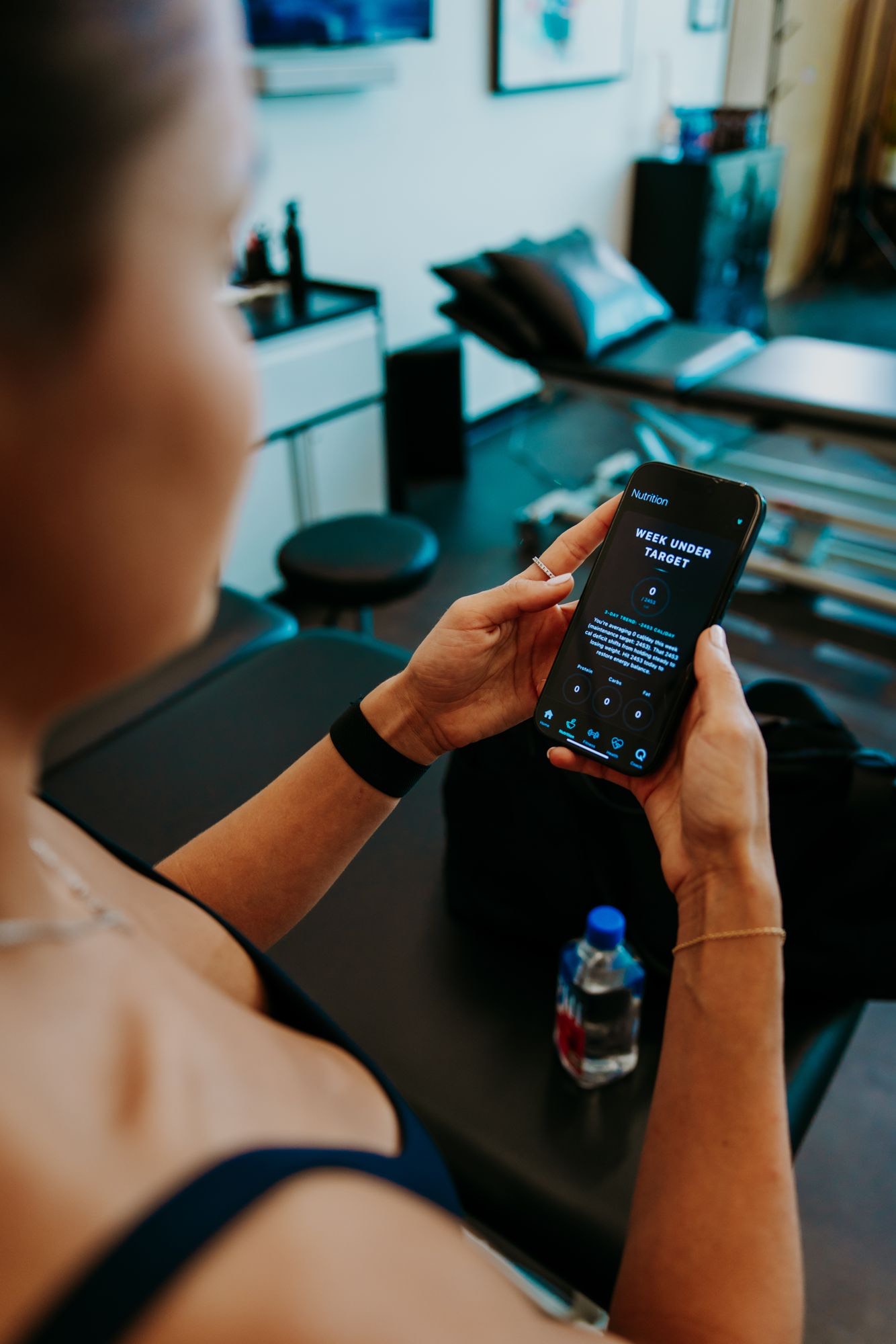
Photo vs Video Food Logging: Which Is More Accurate?
Macro accuracy starts with better food capture, but the right method depends on the meal.
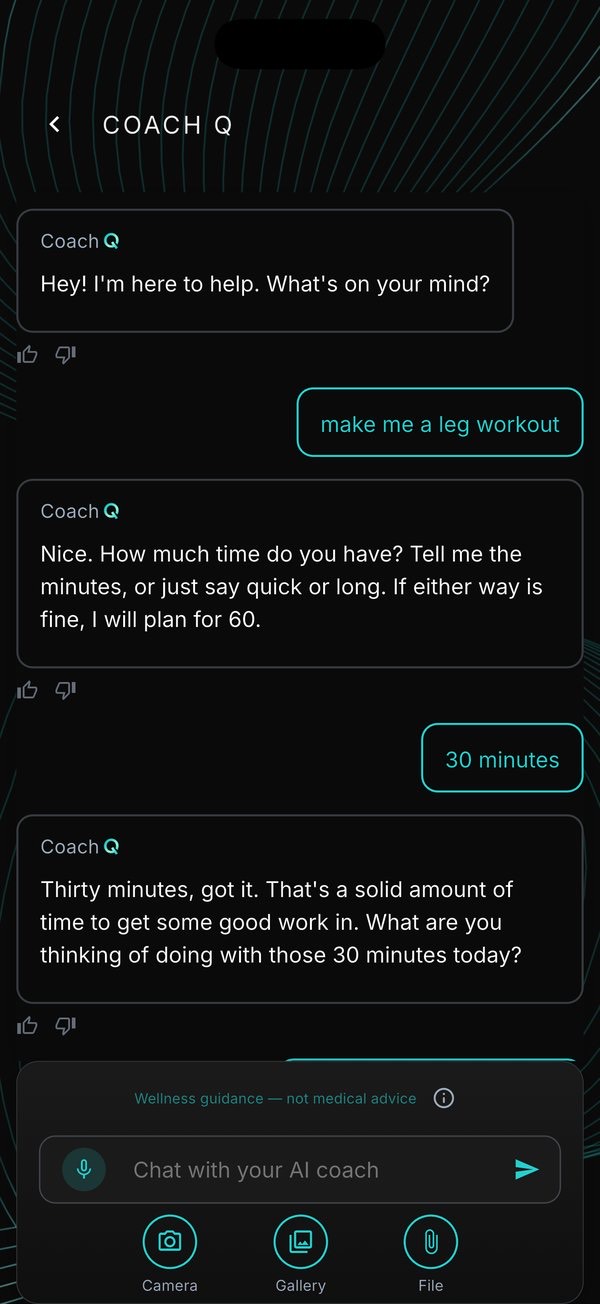
MacroFactor vs Whole-Body Coaching: Macro Math or More?
Macro targets matter, but your body also responds to training, sleep, stress, recovery, and food quality.
How Accurate Are AI Photo Calorie Counters?
AI can make food logging faster, but it still needs context to estimate calories well.
AI Calorie Counters and Photo Food Trackers: What Matters
Photo food tracking can save time, but the real value comes from better context, habits, and feedback.
QBod vs MyFitnessPal: Food, Fitness, and Recovery Together
Learn why connected nutrition, training, and recovery data can give a clearer picture of progress.
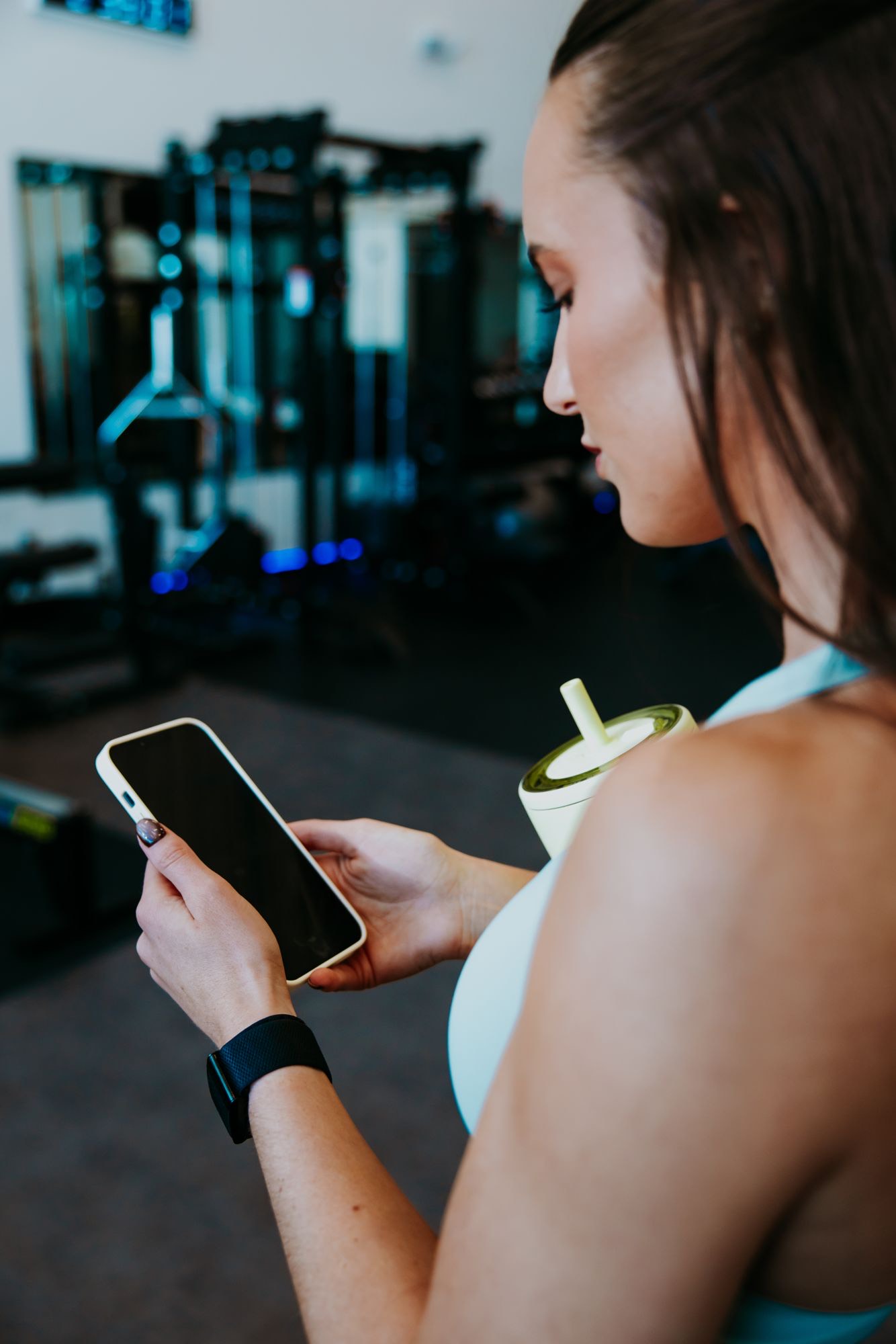
Macro Tracking App Tips When Food Logging Feels Like a Chore
The easier macro tracking feels, the more useful the data becomes.
How to Break a Weight Loss Plateau: 5 Data-Driven Strategies
Your scale hasn't moved in weeks. Before you cut more calories, here's what the data actually says about plateaus.
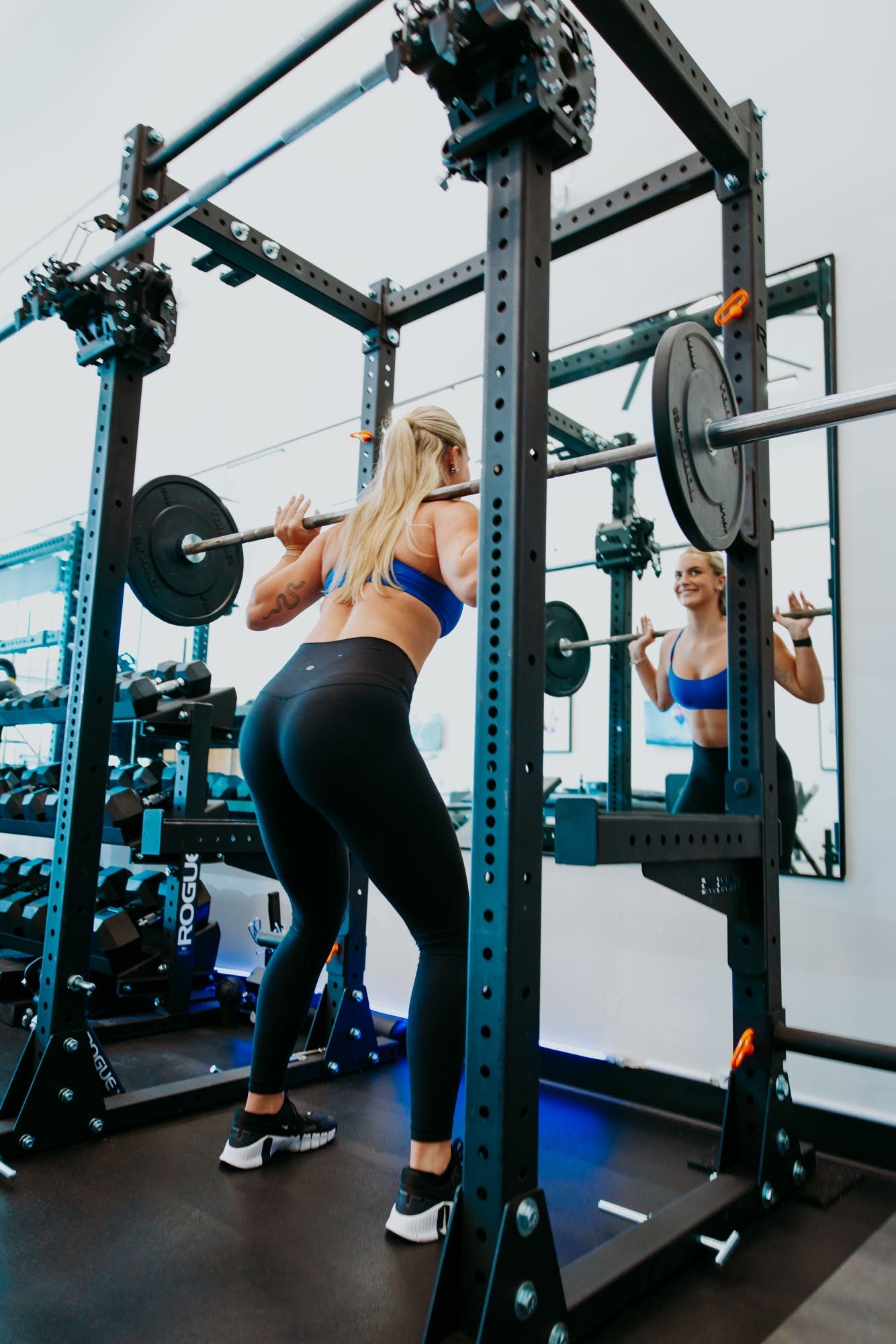
Body Recomposition: How to Lose Fat and Build Muscle at the Same Time
The complete guide to body recomp: who it works for, how to set up your macros, and why most people get the calorie math wrong.

Why Your TDEE Calculator Is Wrong (And What to Do Instead)
Online TDEE calculators use population averages. Your body isn't average. Here's how adaptive tracking closes the gap.
Macro Tracking for Beginners: A Step-by-Step Guide
Protein, carbs, fat: how much of each, why it matters for your goal, and how to actually stick with it.
Training & Fitness · 11
How to Train While Traveling Without Losing Momentum
Travel does not need to erase progress. The goal is to keep the rhythm alive.

When Last Week's Weights Feel Too Heavy: What to Do
A simple guide to understanding sudden strength dips and making smart workout changes.

What to Look for in an App for Runners Who Lift
Running, lifting, and nutrition work better when they are tracked as one connected plan.

Logging Sets Is Not Coaching in a Strength App
A useful strength app should help turn data into better training decisions, not just store reps and weights.
Strength Training and Meal Planning App: What to Look For
A simple guide to choosing a fitness app that connects workouts, food, recovery, and progress.
Muscle or Fat? Why the Same Scale Trend Can Mean Opposites
The scale is useful, but it needs context before it can tell the real story.
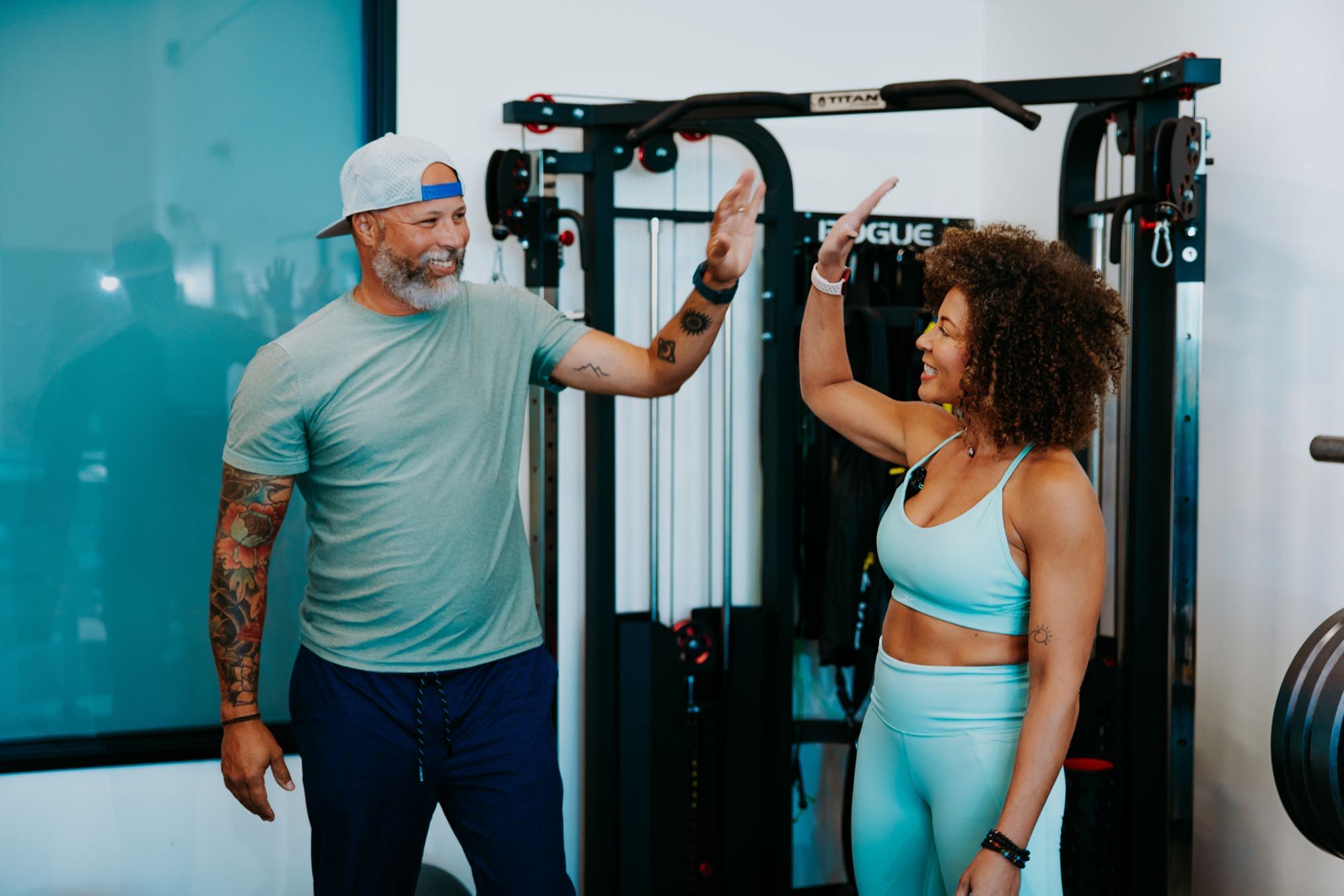
Fitbod Alternative: Why Workouts Need Nutrition Context
A strong workout plan gets smarter when it understands food, sleep, recovery, and real progress.
How AI Workouts Should Use Sleep, Soreness, and Food
A smarter workout plan should read recovery signals before it tells the body to push harder.
How to Track Body Recomposition Over Time
Body recomposition is easier to understand when weight, photos, food, training, and recovery tell one story.
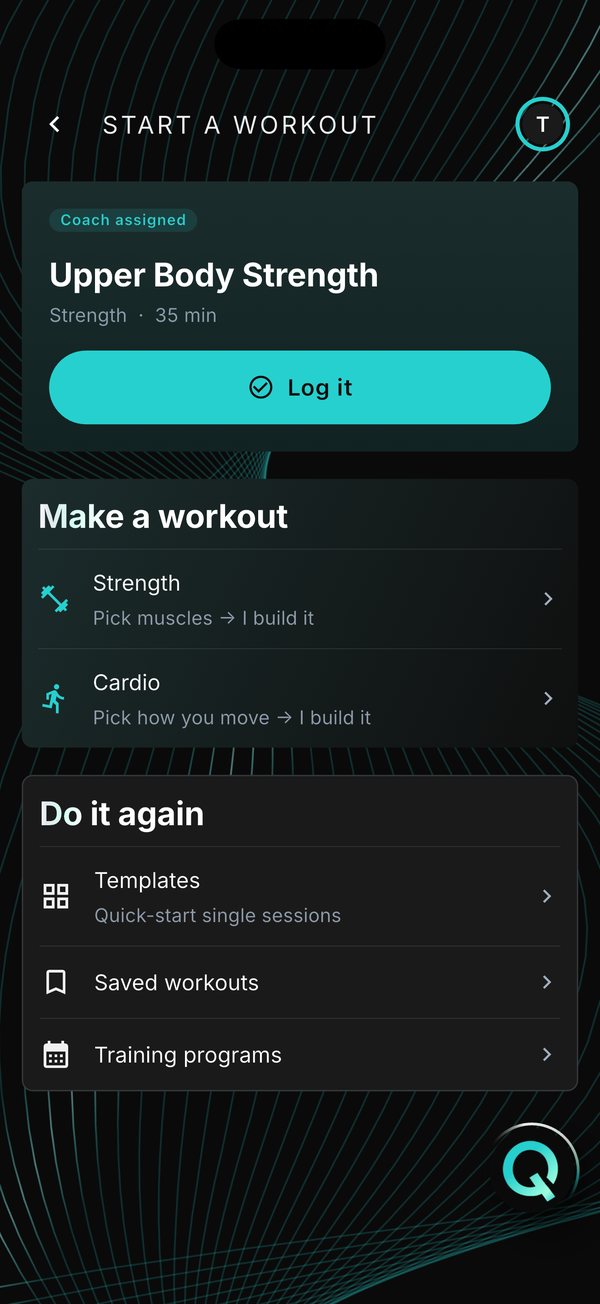
Workout Apps That Adjust to Your Recovery
A simple guide to recovery-aware training, what to look for in an app, and how QBod adapts your plan day by day.
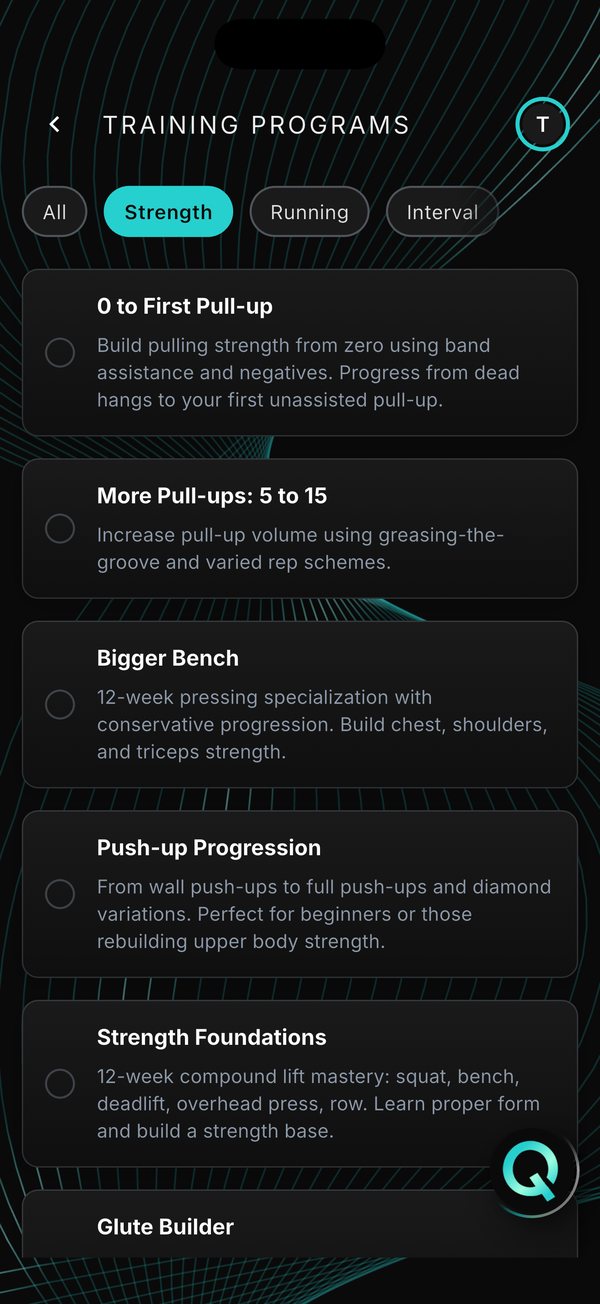
Progressive Overload: When to Push Harder and When to Back Off
Adding weight every session sounds great until it doesn't work. The signs your body is telling you to deload.
Recovery · 9
Sleep and Fitness Results: Recovery, Muscle, and Fat Loss
Better sleep is not a bonus habit. It is part of the training plan.

Recovery-Adjusted Training: Use Sleep and HRV Smartly
A smarter workout plan does not just ask what is on the calendar. It asks how ready your body is today.
Your Watch Data Is Useful Only When Your Plan Changes
A smartwatch can collect useful signals, but progress comes from turning those signals into better daily choices.
Sleep Debt and Training Load: When to Ease Off
Better training starts with knowing when your body is ready to push and when it needs a lighter day.
Readiness vs Recovery Scores: Which Helps Training?
Recovery tells a story about the body. Readiness should help decide the next training move.
How to Use HRV to Make Better Training Decisions
HRV is most useful when it helps you choose what to do next, not when it becomes one more graph to worry about.

The Connection Between Sleep, Stress, and Your Training Results
Your body doesn't distinguish between gym stress and life stress. How to build a training life that feels strong, supported, and aligned.

Your Wearable Shows Recovery. What Should Your Workout App Do?
Recovery data is useful, but the real value comes from how your plan responds.
Why Recovery Is the Most Underrated Part of Your Fitness Journey
Sustainable transformation doesn't come from pushing harder every day. A trainer's perspective on honoring the body's need for rest.
Coaching · 13
Q-Score: One Daily Number for Better Fitness Habits
A simple daily score can turn scattered health data into clear next steps.
Why Daily Scale Weight Lies About Fat Loss
The number on the scale is useful, but the trend tells the real story.
How to Plan a Realistic Fitness Push Before an Event
A calm, science-based way to look, feel, and perform better without panic dieting or burnout.
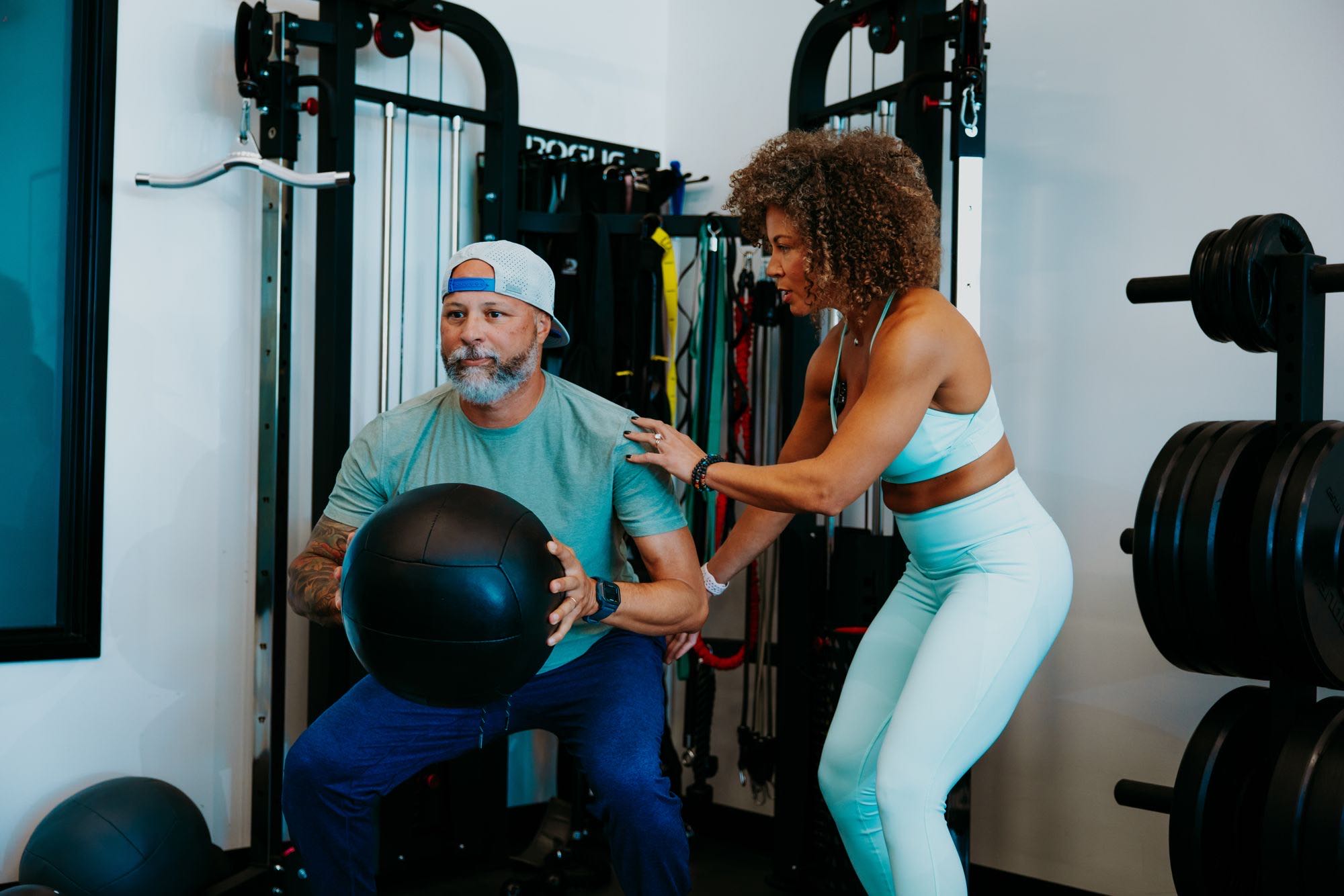
From the Coach's Corner: Why I Recommend QBod to My Clients
As a trainer, I've seen dozens of fitness apps. Here's why QBod's approach reflects how a good coach thinks.
Trainerize Alternative for Self-Coached Athletes
A simple guide to building coach-like structure when training on your own.
Why Your Goal Timeline Is Too Aggressive
A smarter goal timeline protects progress, confidence, and consistency.
Noom Alternative for People Who Want Data, Not Lessons
For people who prefer signals over lessons, the right app should turn food, training, sleep, and weight data into one clear plan.
Ask a Trainer: How Do I Know If I'm Overtraining?
Seven signs your body needs a reset, and why backing off doesn't mean giving up. A coaching Q&A.
AI Fitness Coach Apps: Real Coaching vs Buzzwords
A practical guide to choosing an AI fitness coach app that adapts for real, not just sounds smart.
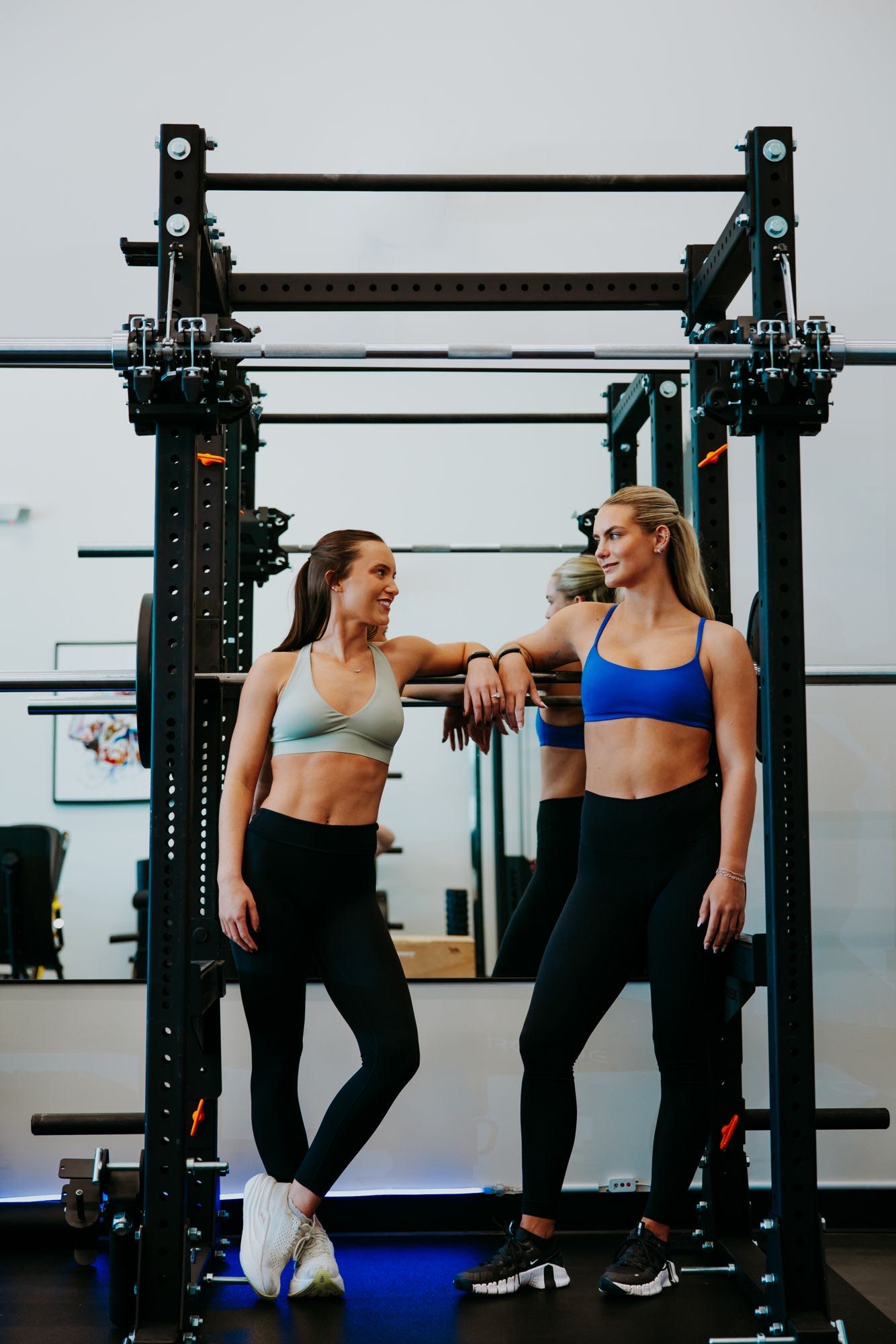
Why I Tell My Clients to Stop Doing More
After decades of coaching women, the pattern is always the same. The answer is never more. It's precision.

Building Strength Through Awareness, Not Just Effort
True strength is built through awareness. An integrated approach that weaves together movement, mindset, energy, and lifestyle.
Why Static Fitness Plans Fail (And What Adaptive Coaching Looks Like)
Your body changes every week. Your plan should too. The science behind adaptive fitness and why one-size plans don't work.
What an AI Fitness Coach Actually Does (And Why It Matters)
Most "AI" fitness apps are templates with your name on them. Here's what a real adaptive coaching system looks like under the hood.
Our Coaching Advisors
Expert coaches who shape QBod's philosophy and bring real-world, whole-person experience to the way we coach.
Andréa's integrated approach to coaching weaves together movement, mindset, energy, and lifestyle. She guides clients back to their own strength through awareness, mind-body connection, and intentional recovery.
"True strength is built through awareness, not just effort."
Menopause · 4
Fitness App for Menopause: Strength and Nutrition Together
A practical guide to training, eating, and recovering through midlife with less guesswork.
Losing Weight During Perimenopause: Strength First
A practical, science-based way to train, eat, recover, and track progress through midlife body changes.

Why Menopause Changes Everything About Your Training (And What Actually Works)
The women I coach aren't failing. Their playbook is. Here's what actually works when hormones rewrite the rules.
Nutrition for Menopause: Why What You Eat Matters More Than How Much
Generic calorie math fails menopausal women. Why what you eat matters more than how much, and how intentional nutrition changes everything.
Ready to Stop Guessing?
QBod connects your nutrition, workouts, and recovery into one adaptive plan. One plan: US$9.99 a month, or US$59.99 a year (about US$5 a month). Start your trial. The store shows the length and price before you begin.
Start your trial